
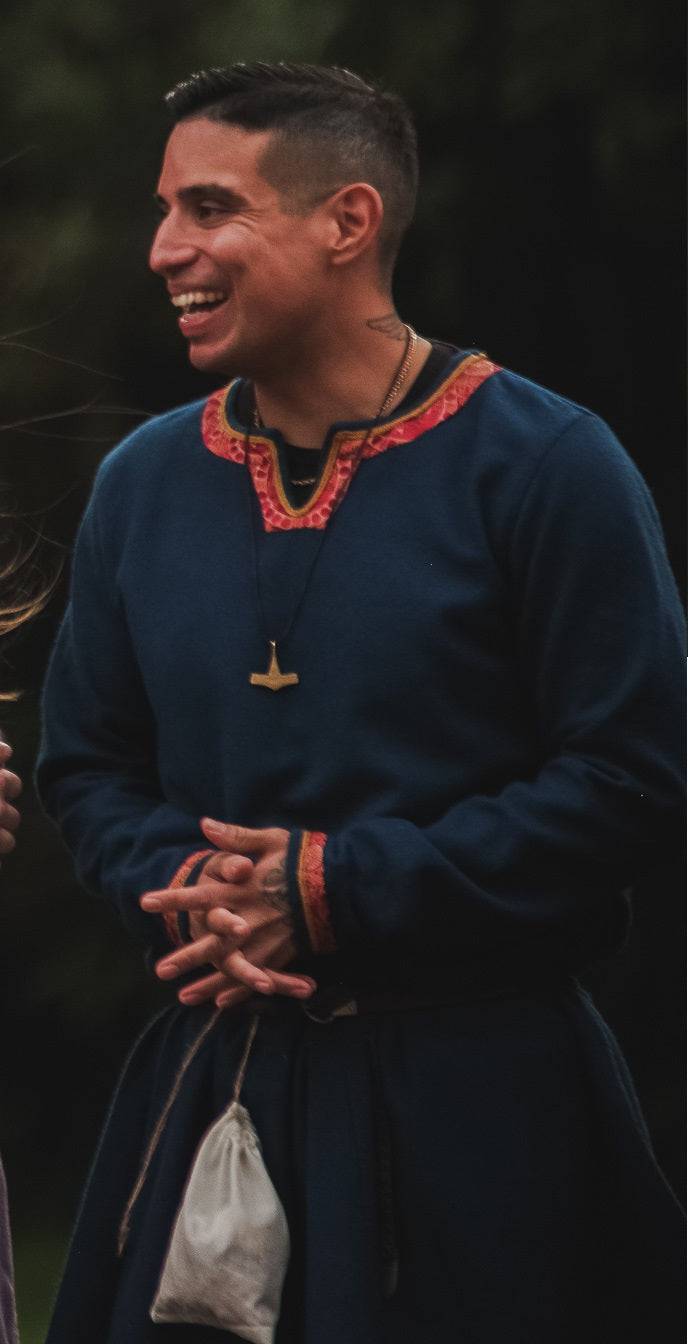
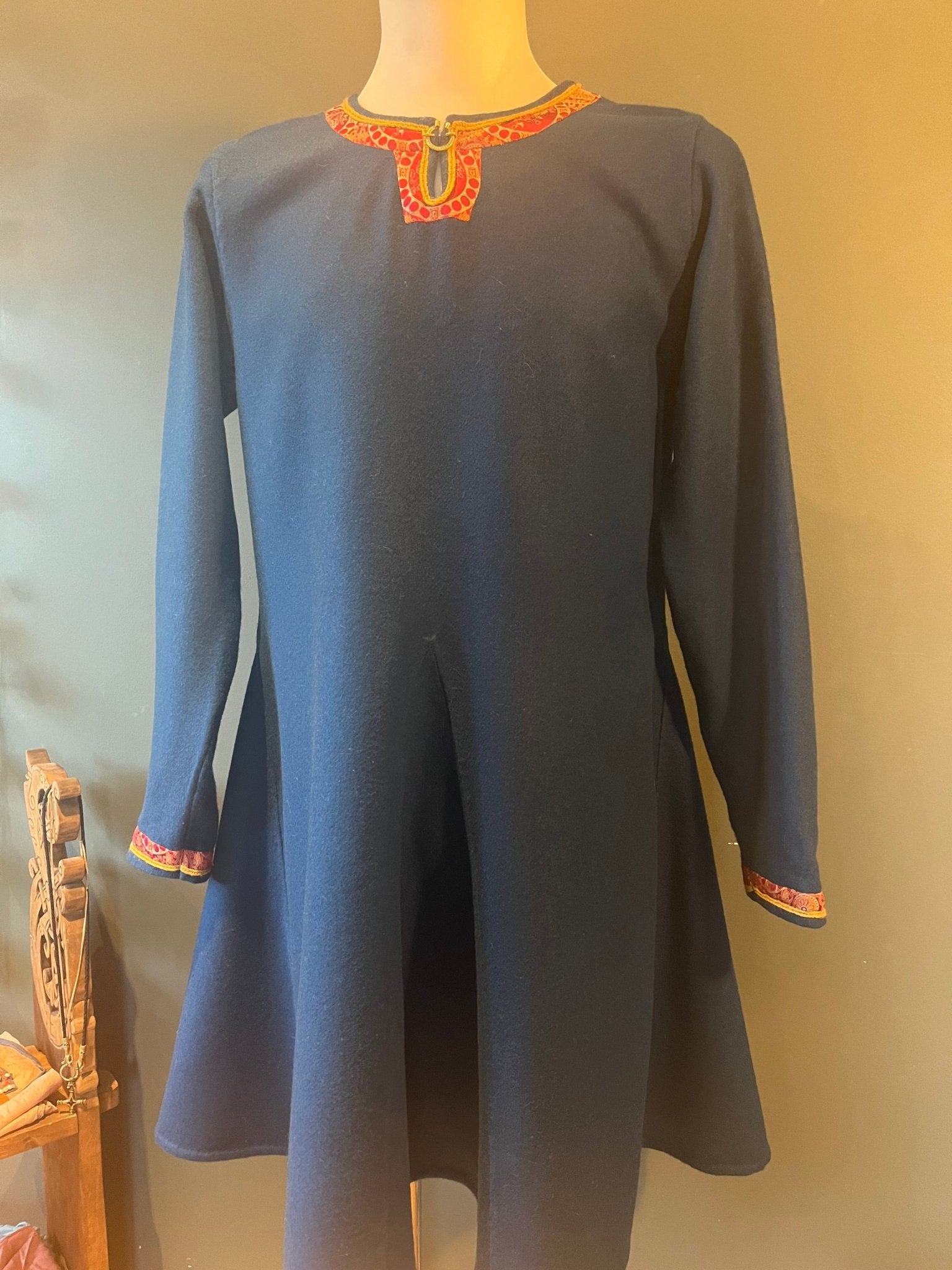
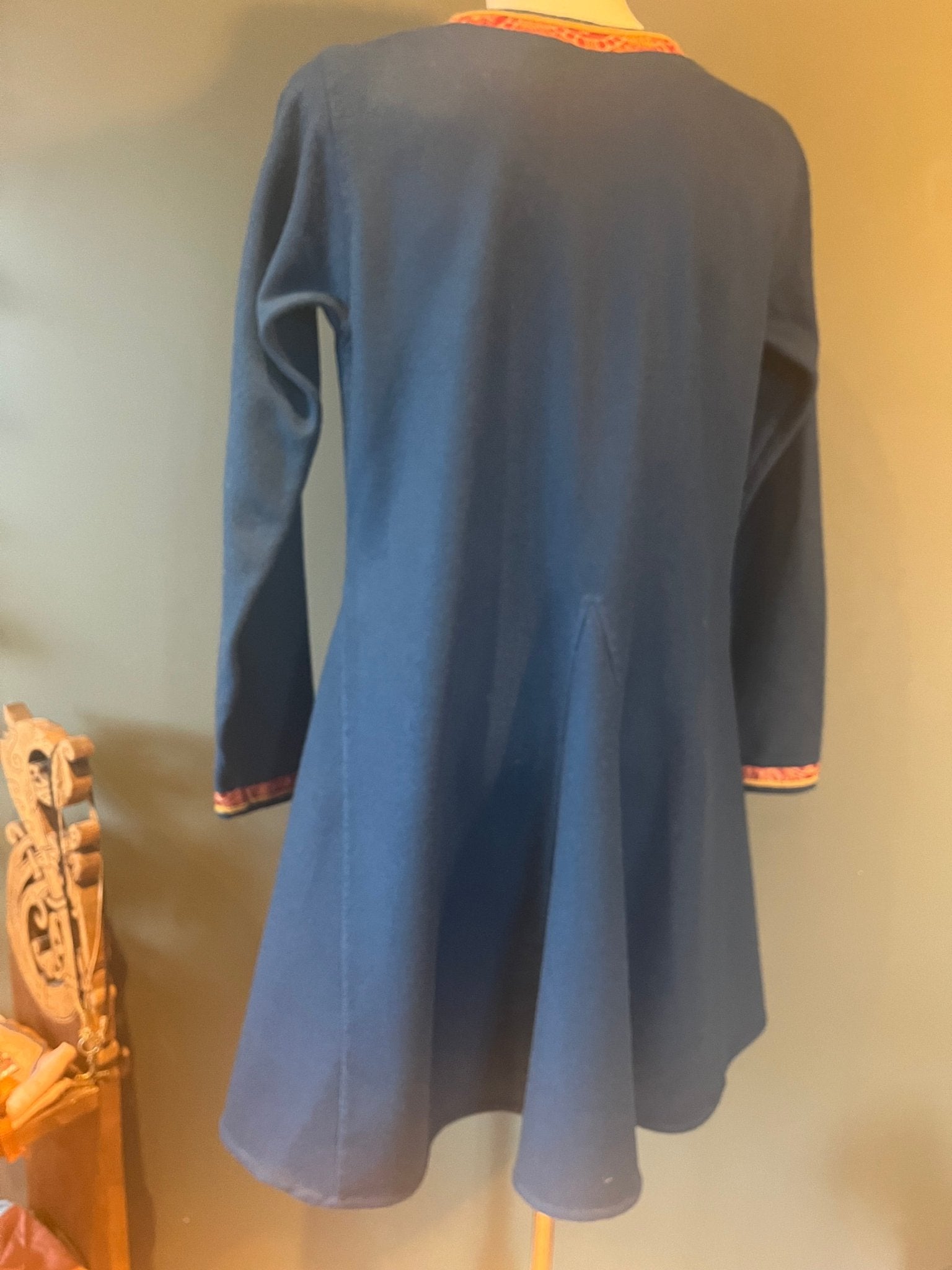
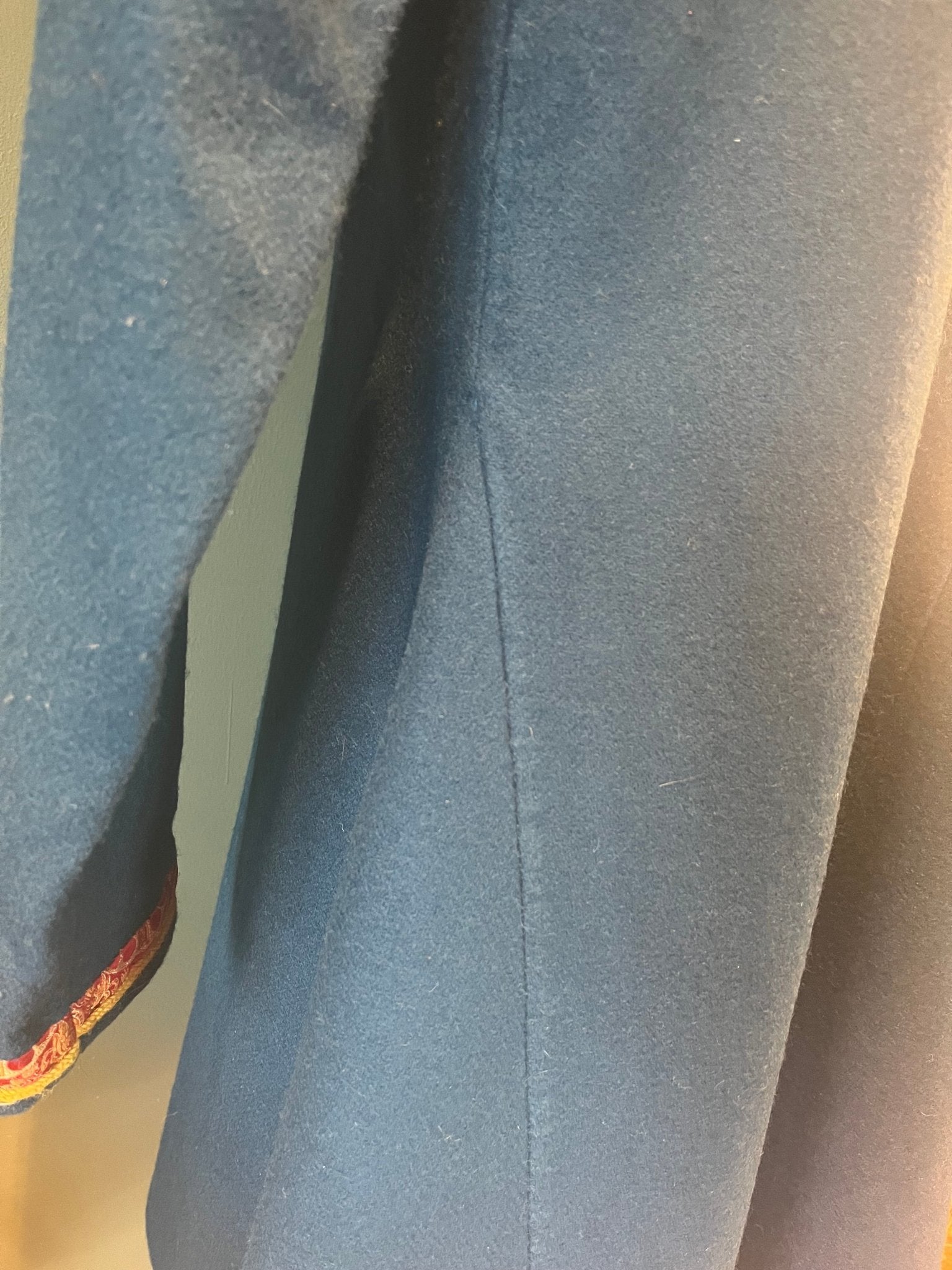
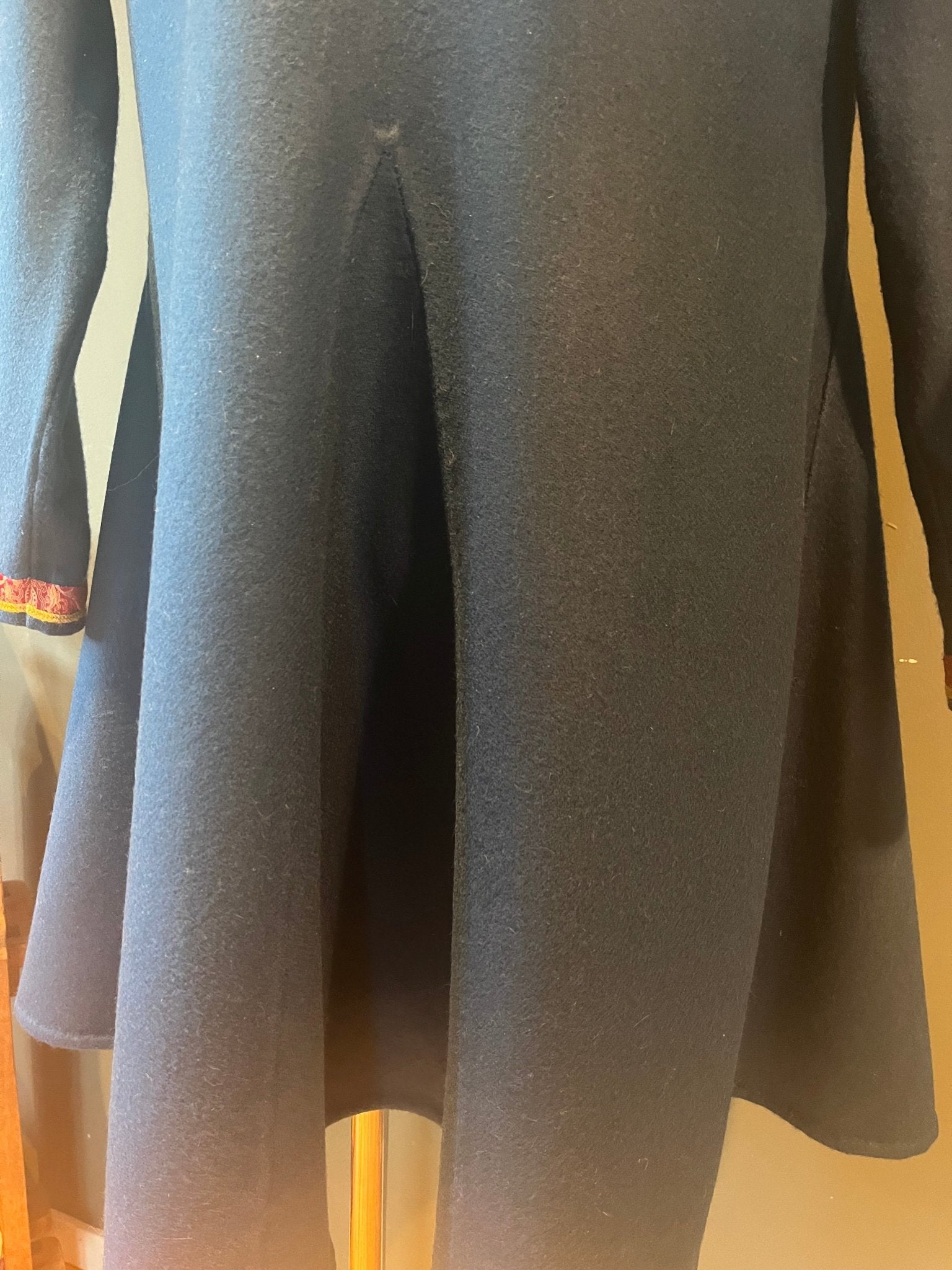
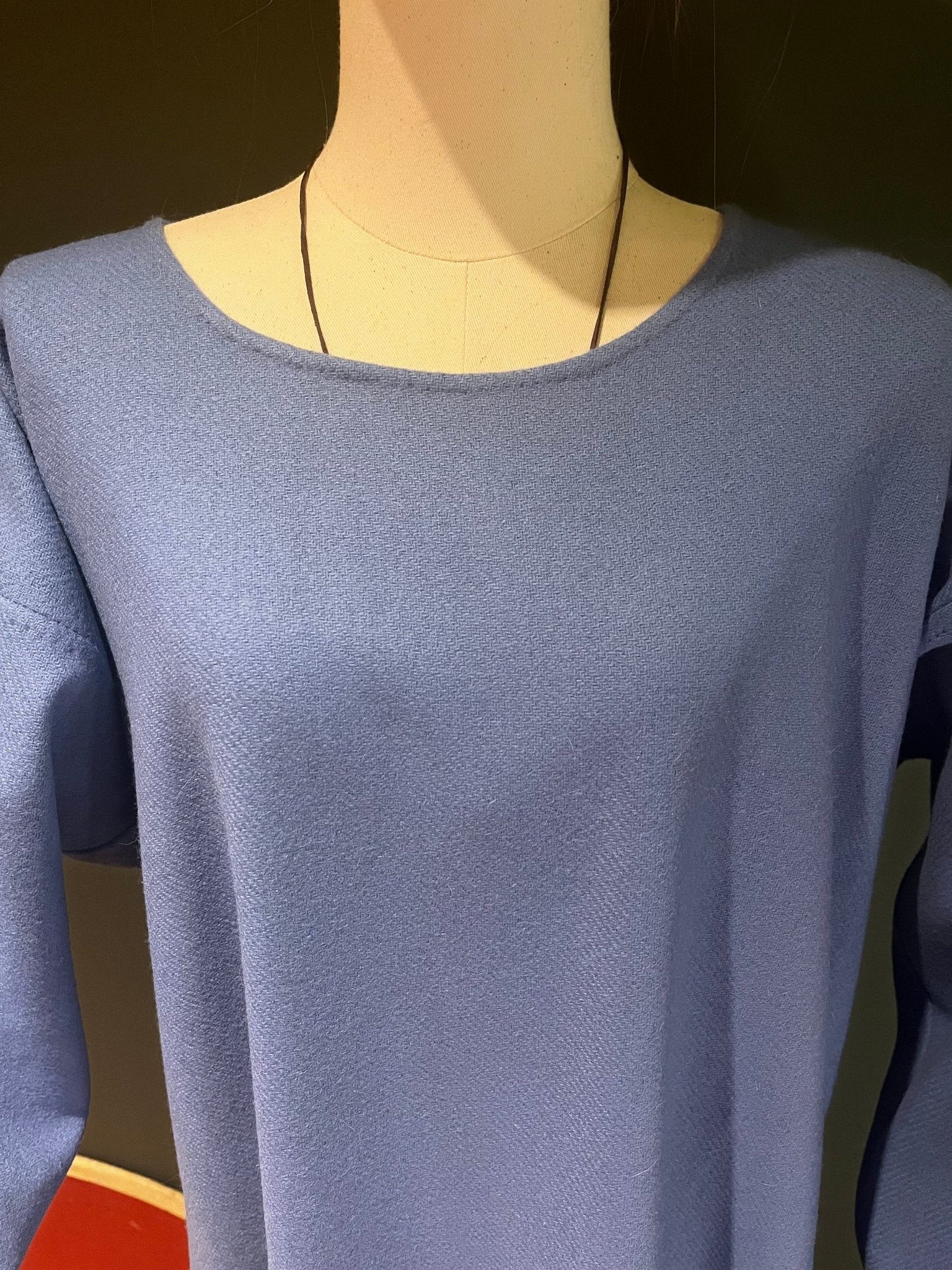
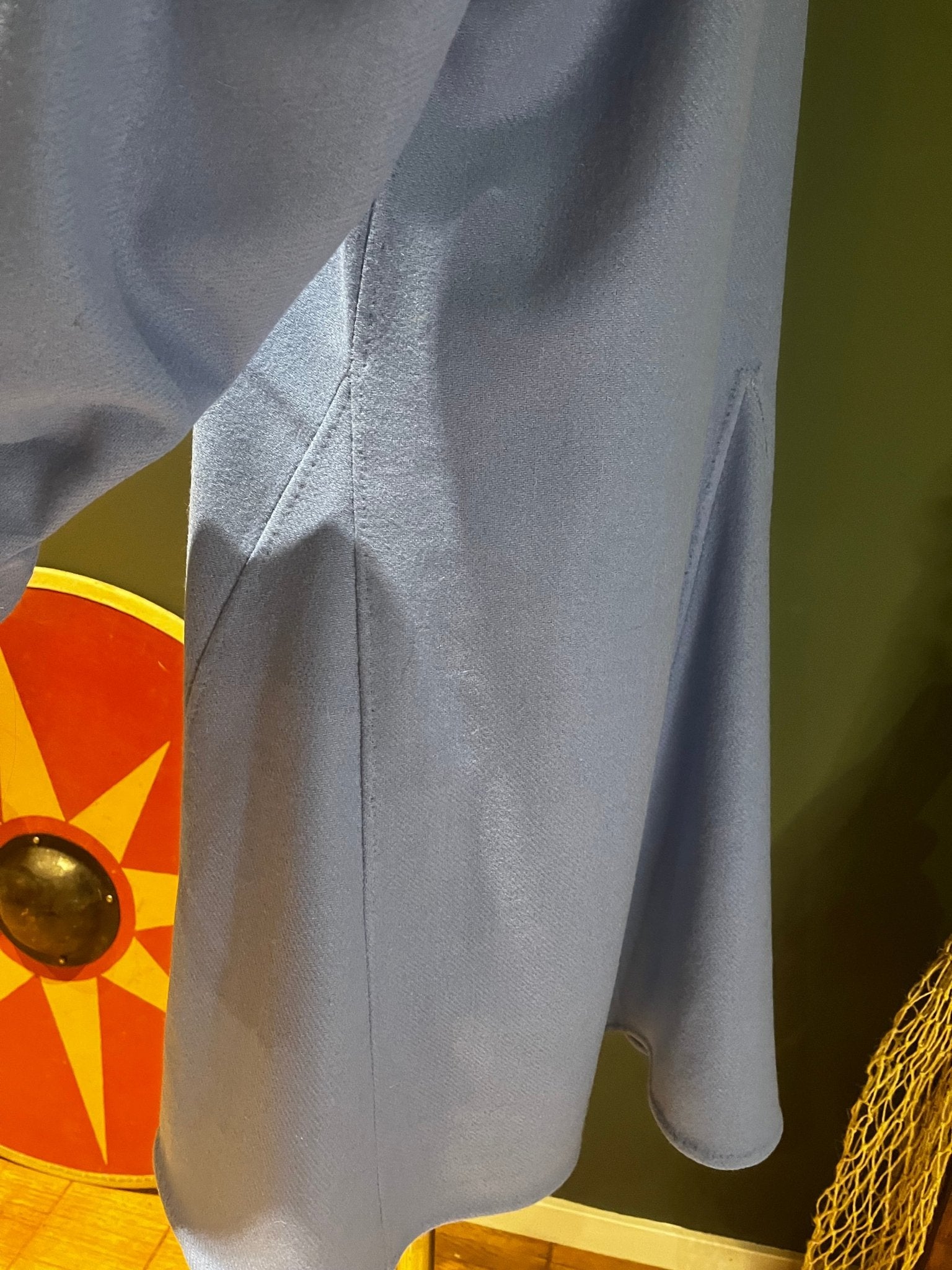
• GORM • Hand-Sewn Viking Age Woolen Tunic with 4 Gores | Thin Twill Wool | Based on Haithabu Fragments
Handcrafted Woolen Viking Age Tunic based on Haithabu fragments
Introducing our handcrafted Woolen Viking Age Tunic, inspired by authentic archaeological finds from Haithabu (Hedeby). This tunic combines historical accuracy with artisanal craftsmanship, making it the perfect addition to any Viking reenactor or history enthusiast’s wardrobe.
Key Features:
-
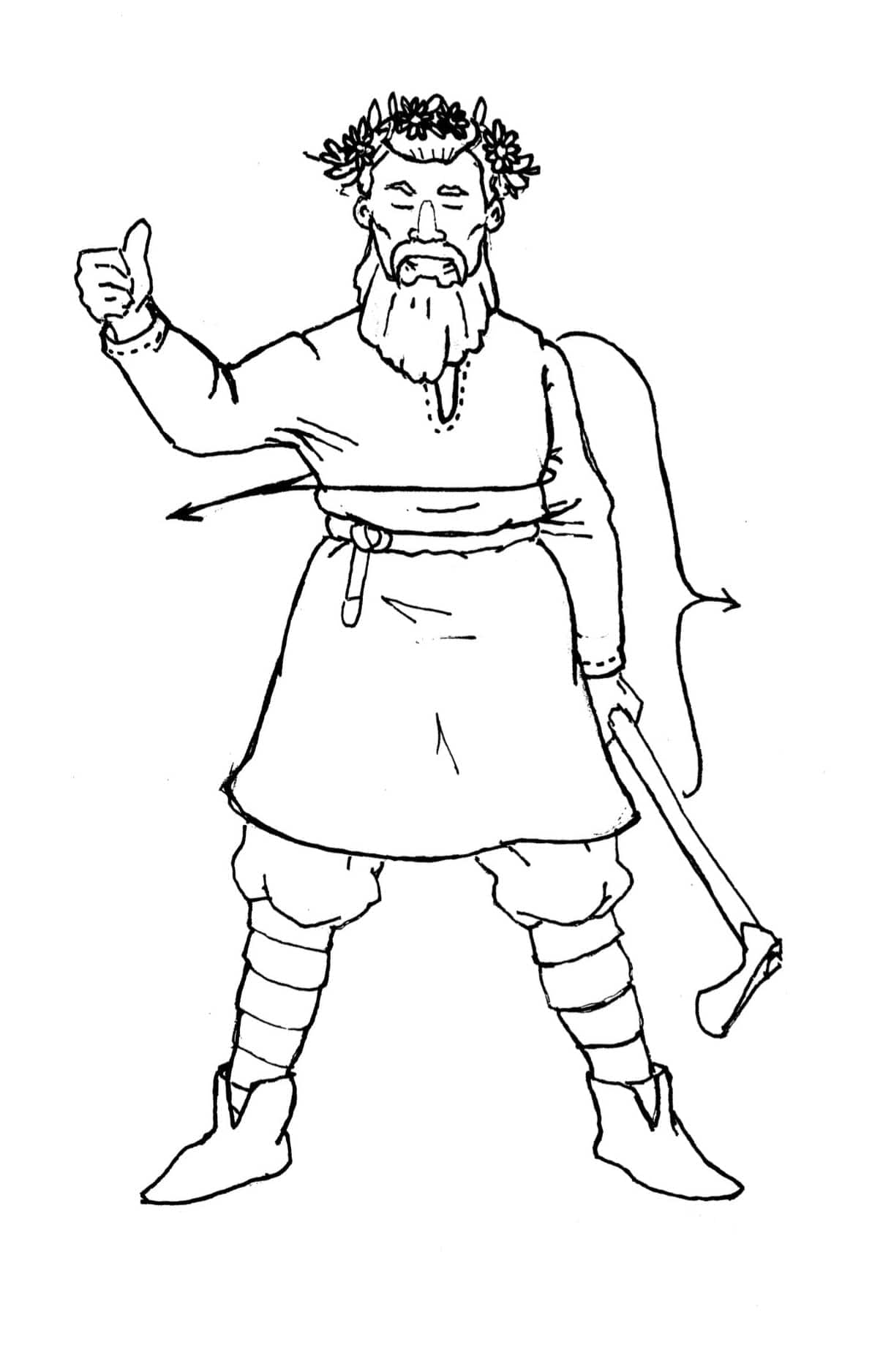
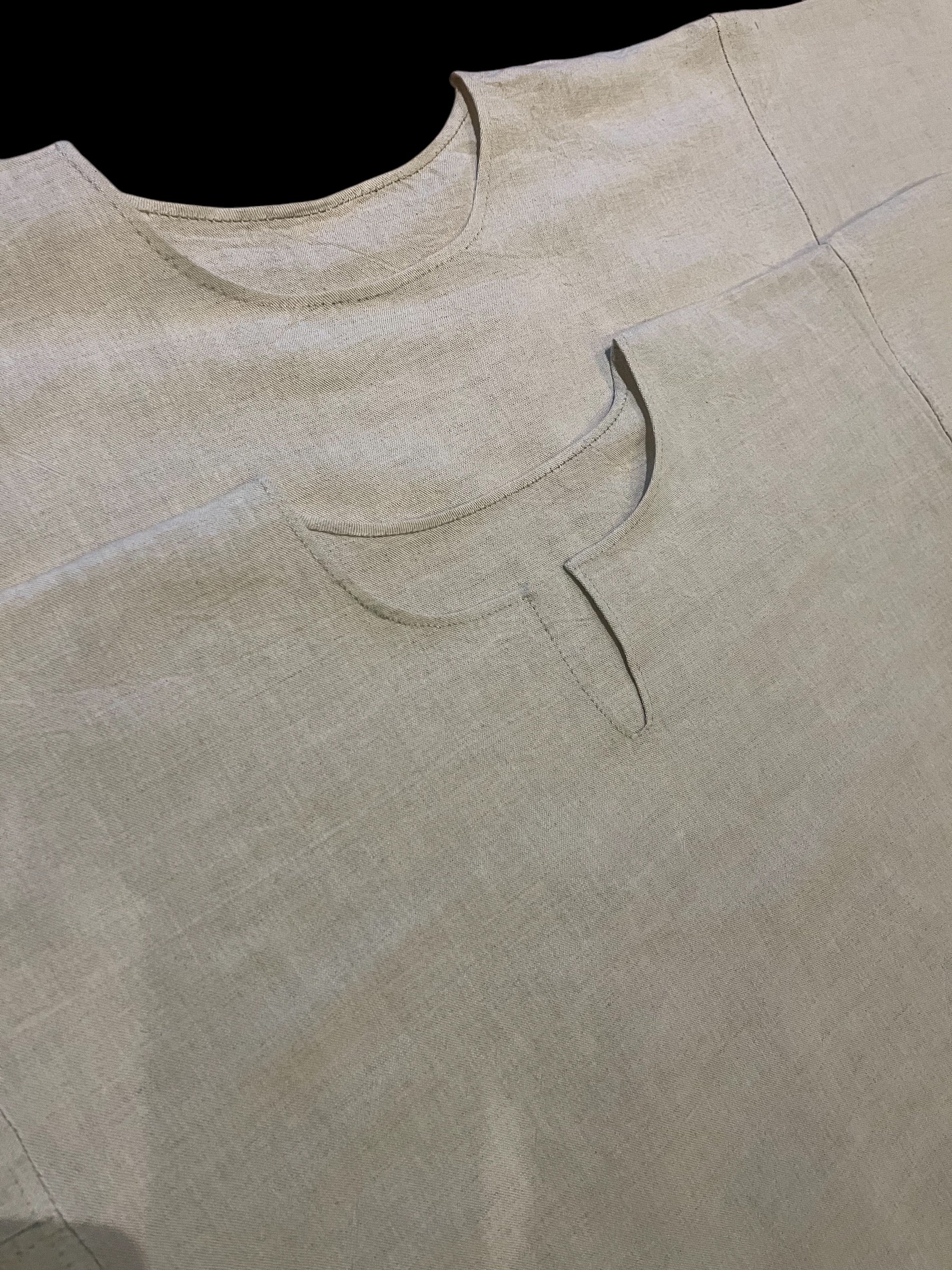
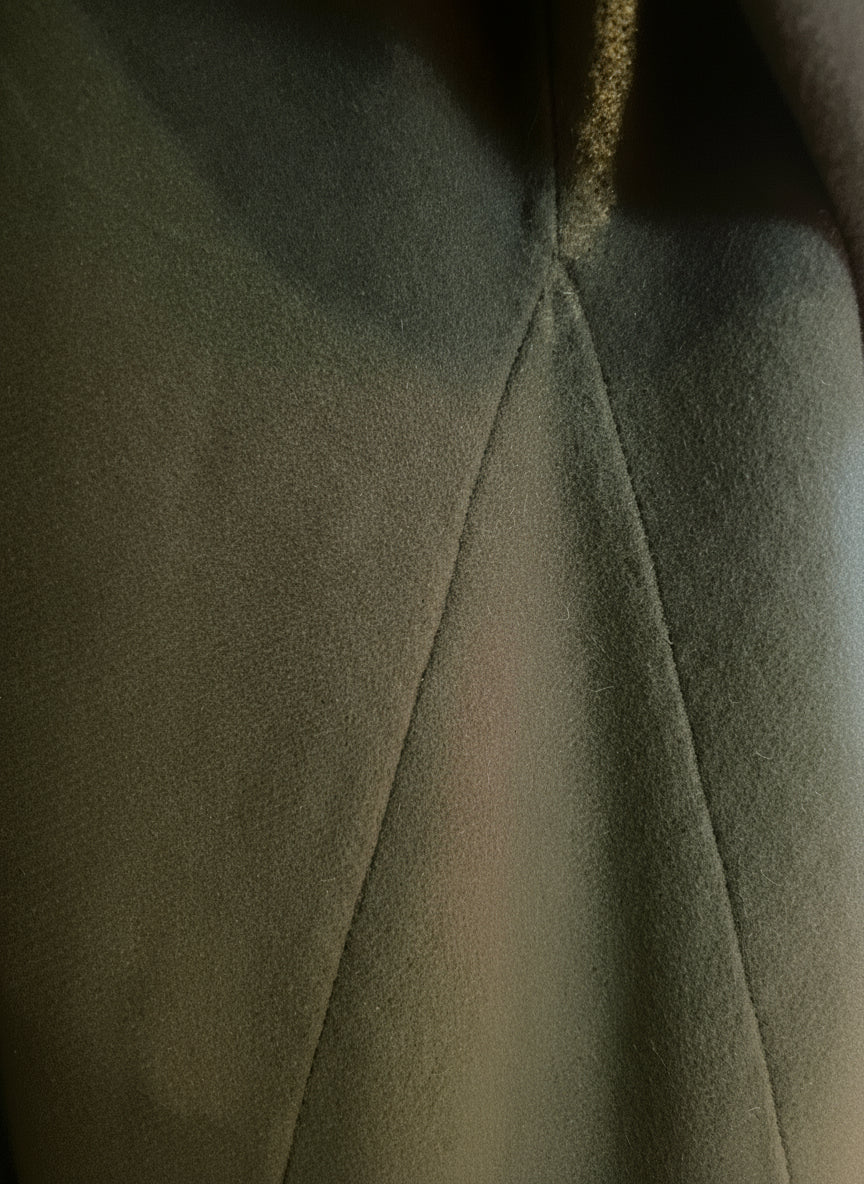
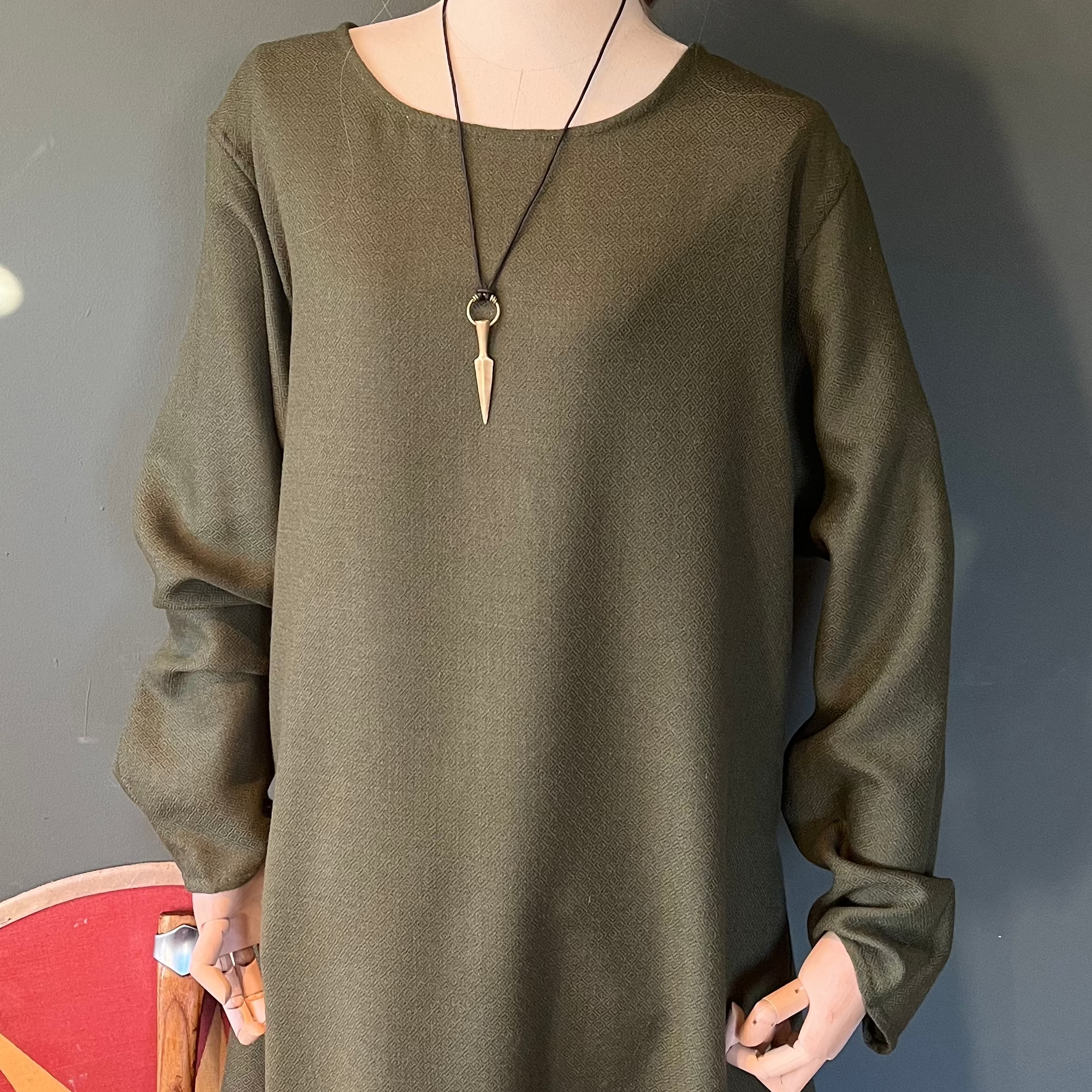
Design: Crafted based on Haithabu fragments for historical accuracy, this tunic features a fitted upper body and a voluminous skirt that flares with four gores, creating an elegant yet functional silhouette. The tunic includes a unique curved armhole inspired by fragments 72 A & B from Haithabu, setting it apart from other styles like Birka and Kragelund. The sleeves are fitted and constructed in one piece, following both Haithabu and Moselund styles, and the tunic falls to knee-length for an authentic Viking Age appearance.
-
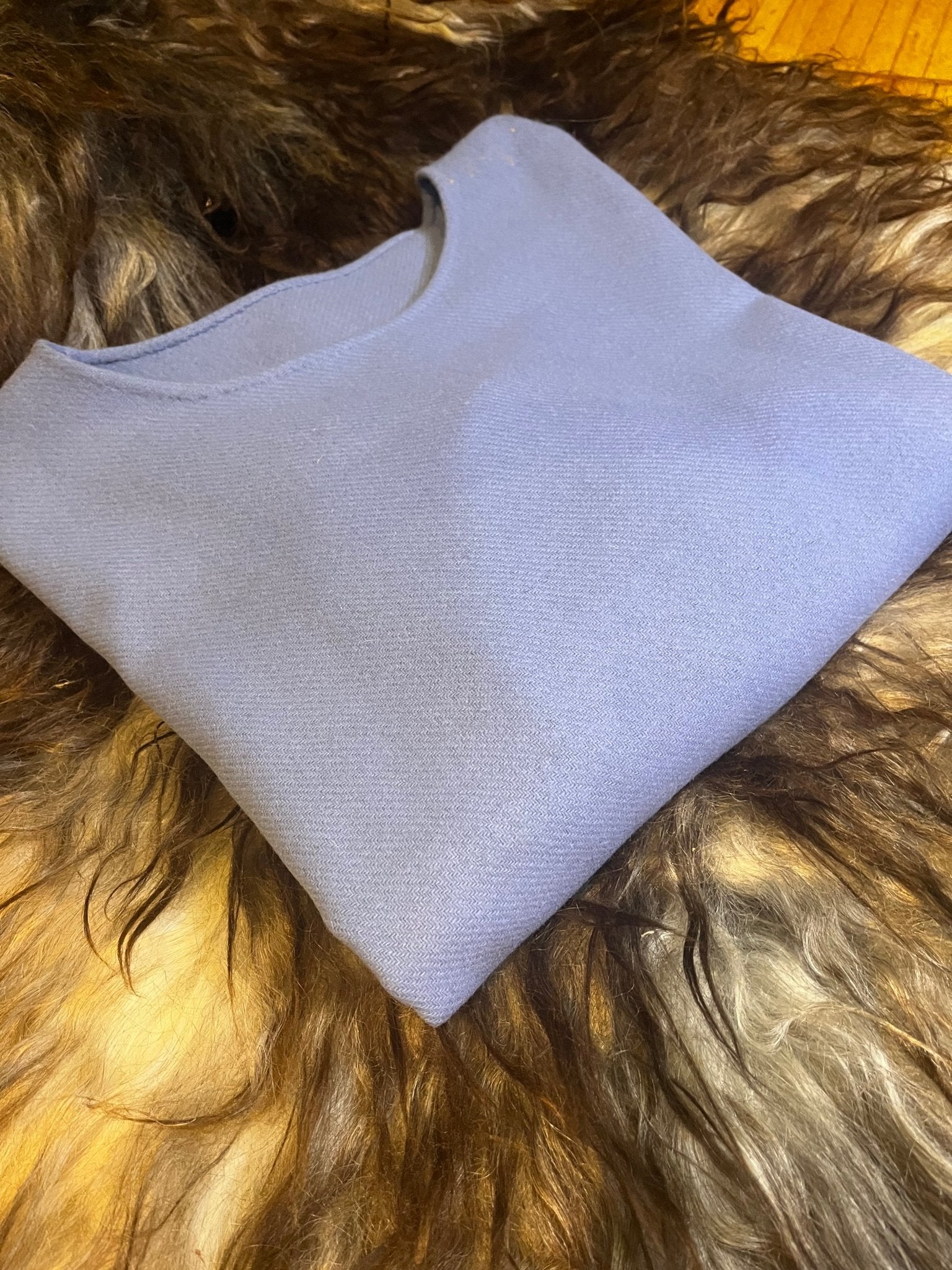
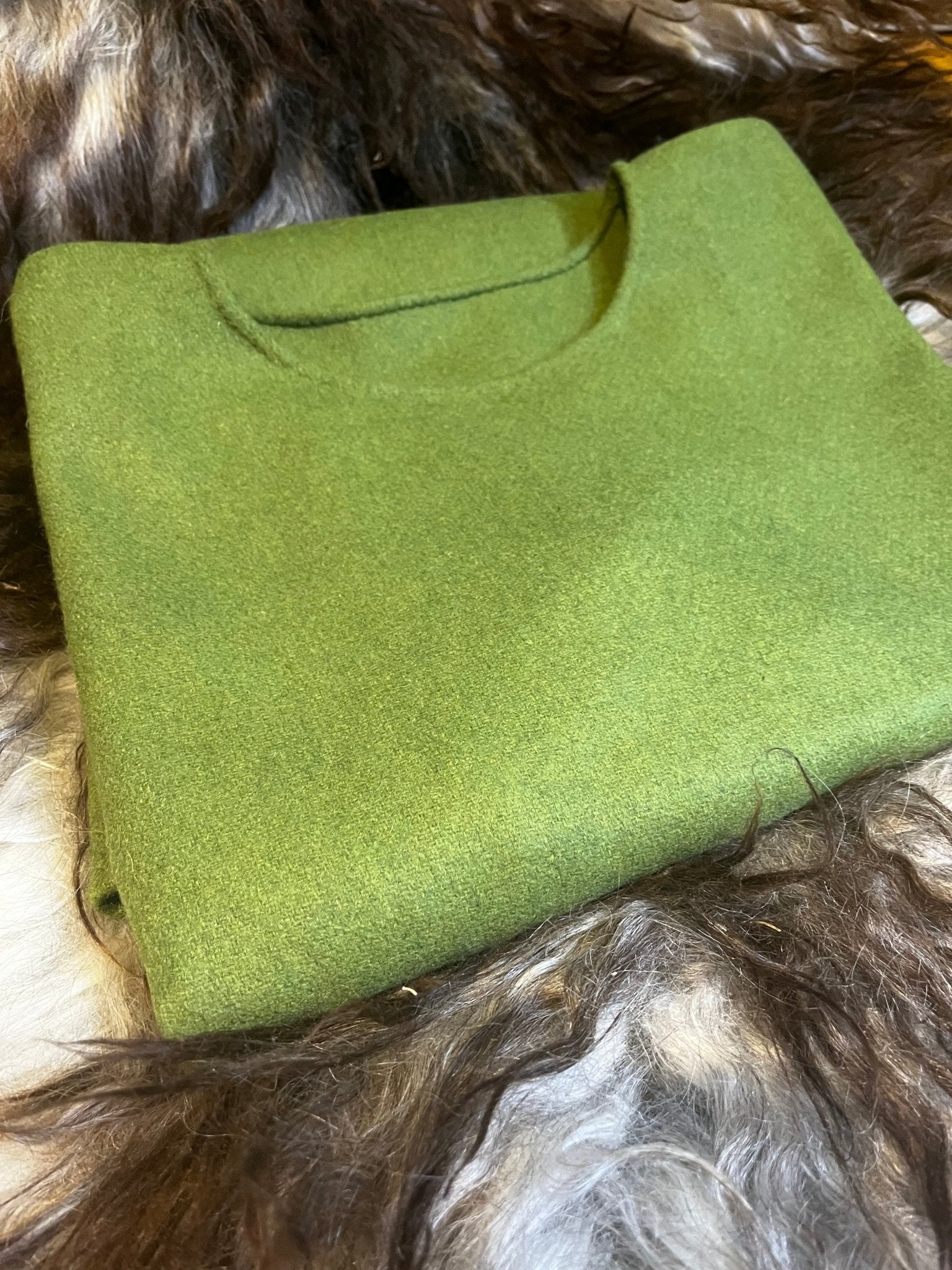
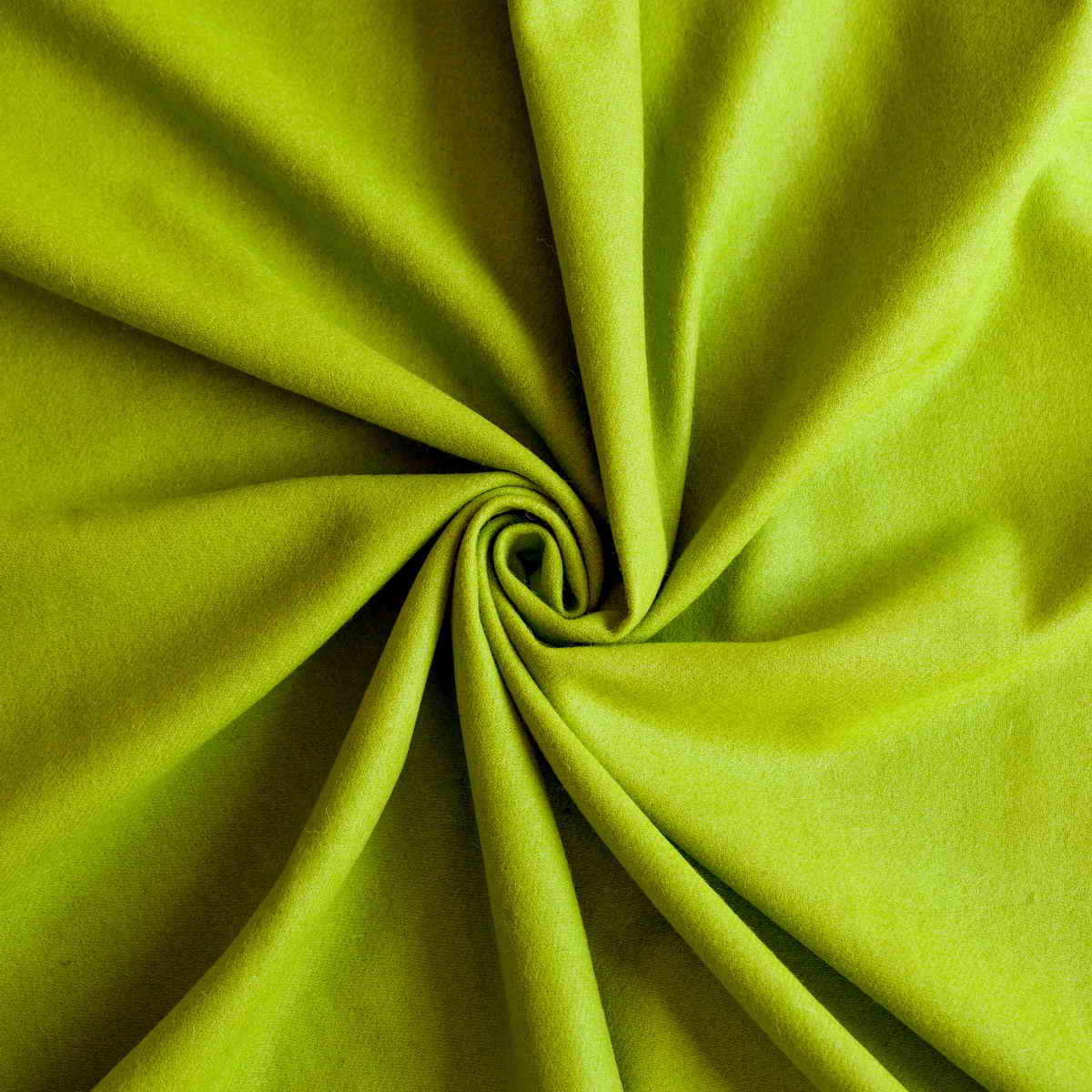
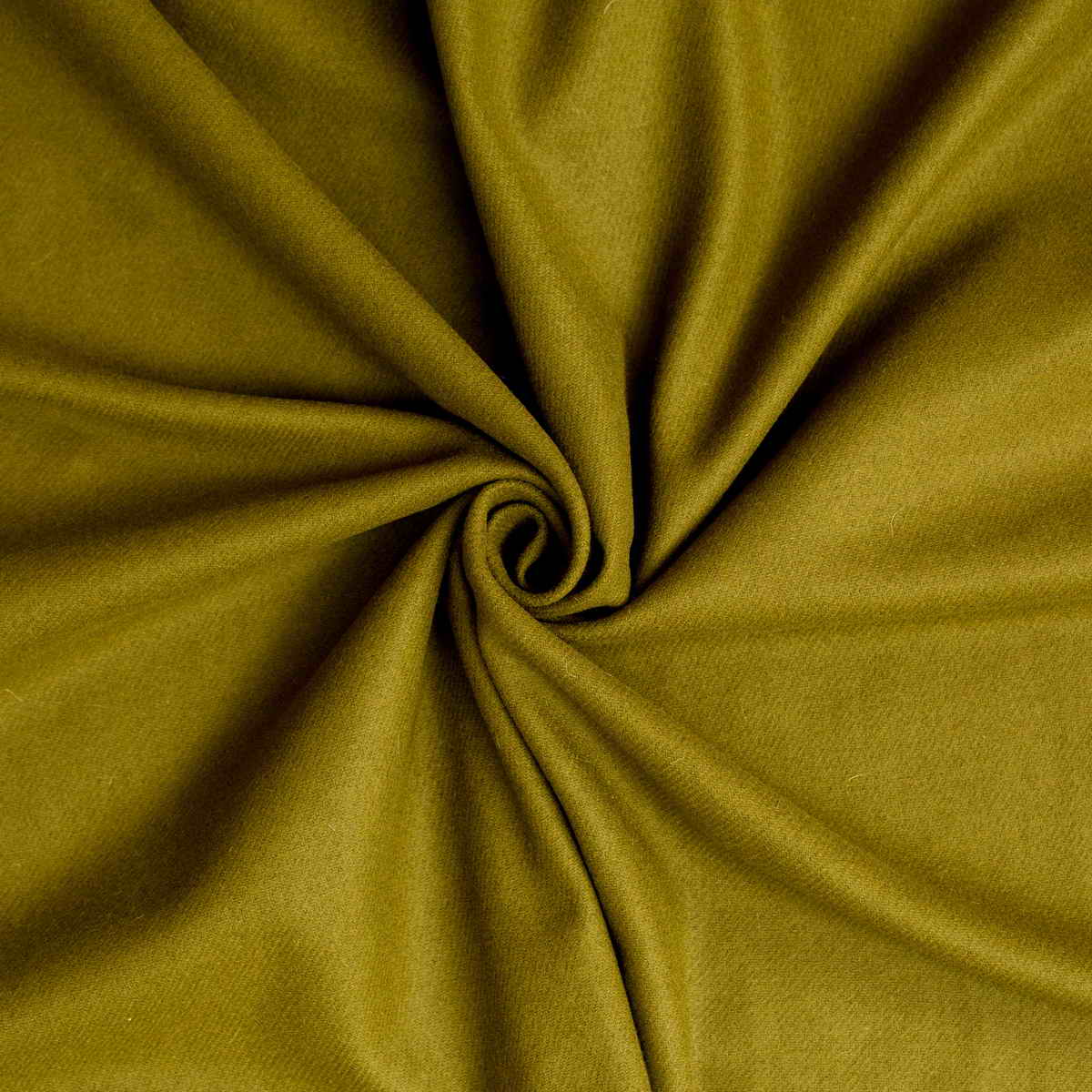
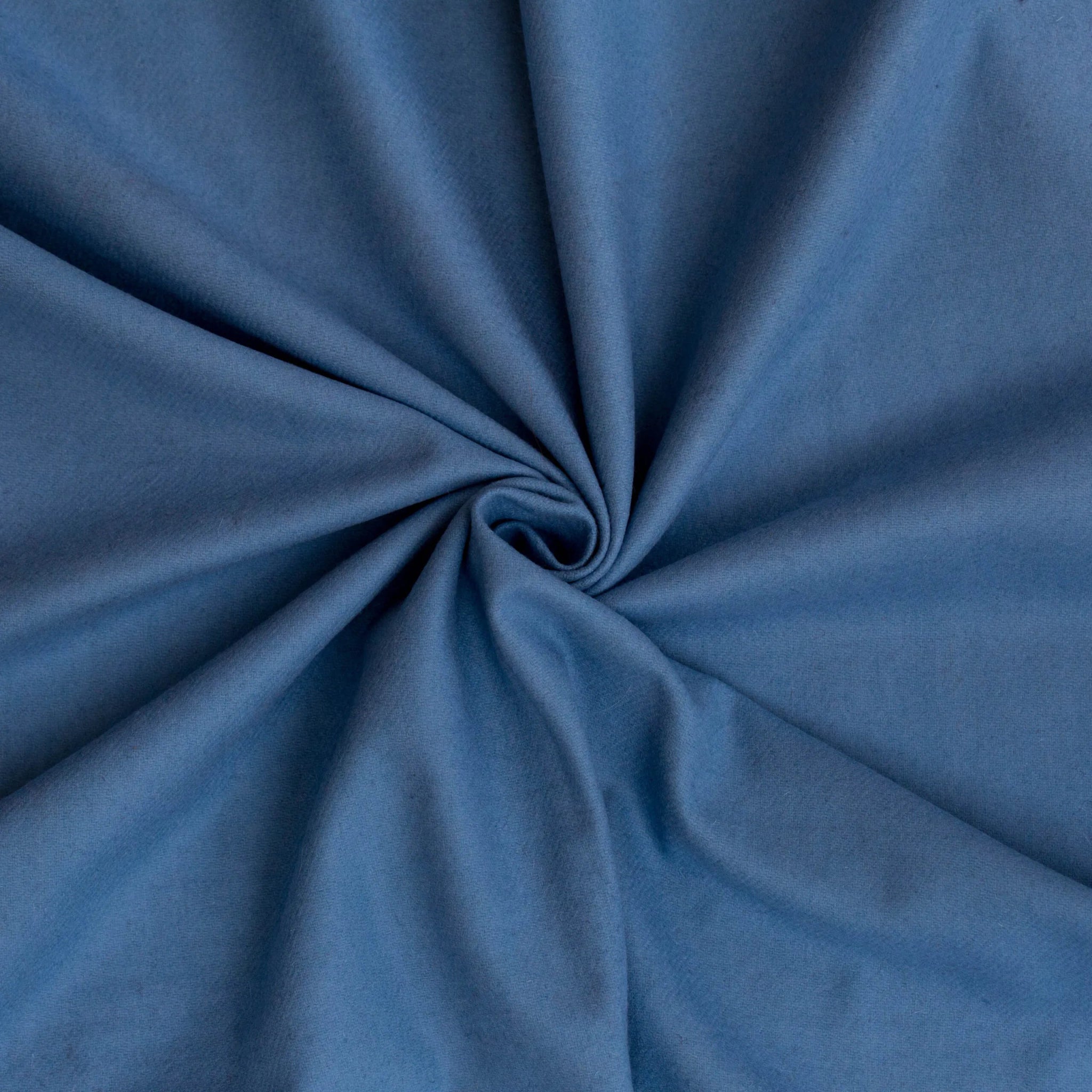
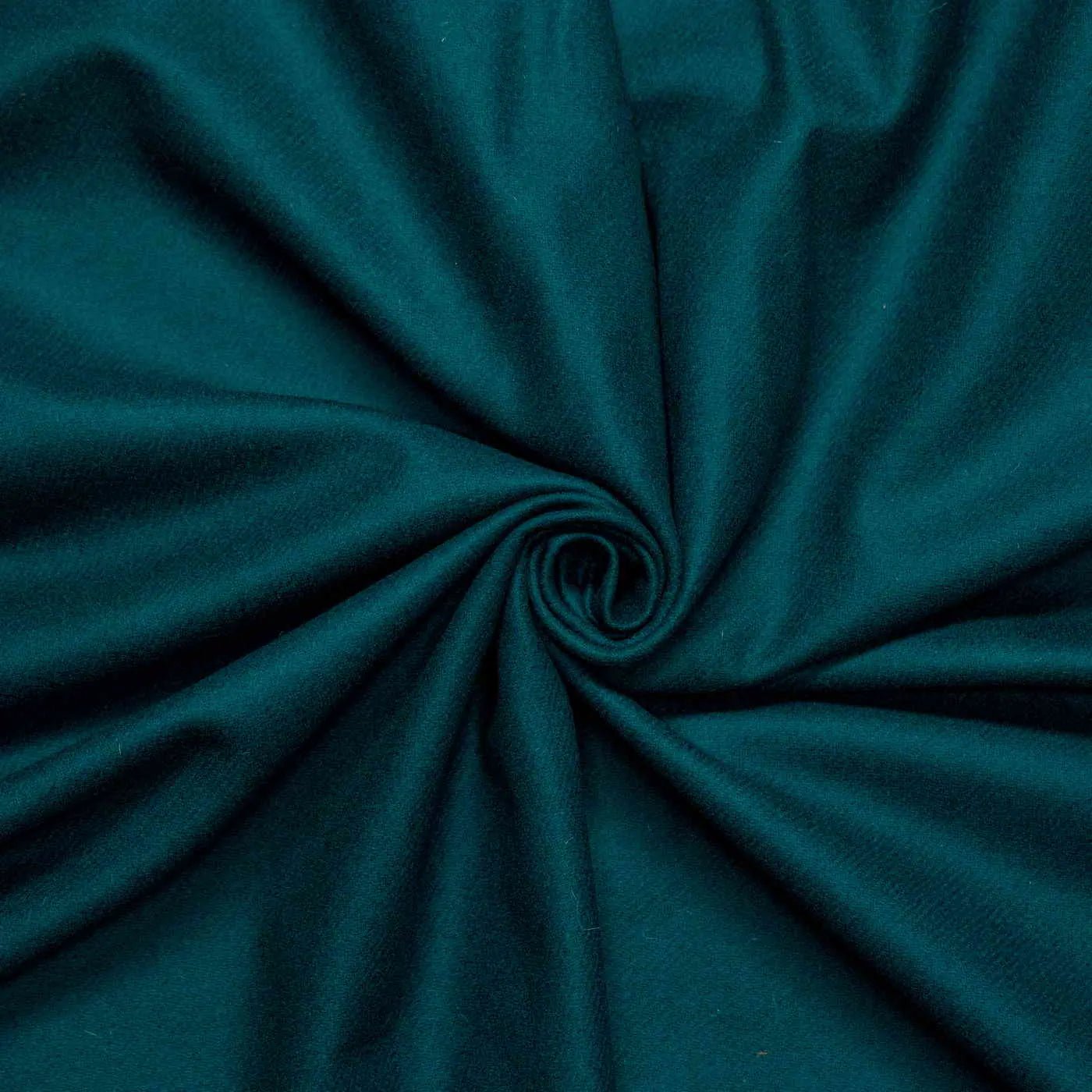
Fabric: Made from premium woolen fabrics sourced from woolsome.shop, ensuring warmth, durability, and comfort. Choose from a range of rich colors, including light green, bronze olive green, light blue and petrol blue. Custom color options can be discussed in the comments at checkout.
-
Handcrafted: Each Haithabu-inspired tunic is fully hand-sewn using authentic historical techniques, showcasing a high level of craftsmanship and attention to detail that ensures historical accuracy and quality.
This Haithabu Viking tunic is an authentic reproduction of Viking Age clothing, meticulously crafted based on the latest research in archaeology and historical methods. Perfect for reenactments, living history, and historical events, it offers a genuine Viking look that meets the standards of authenticity and historical detail.
Processing Time: Due to the handmade nature, please allow 120 days for completion.
• Historical reenactors seeking documented authenticity
• Museum demonstrations and educational displays
• Living history events and presentations
• Academic research and historical interpretation
• Educational institutions and heritage centers
• Hand-sewn using documented techniques
• Authentic seam placement
• Historical hem construction
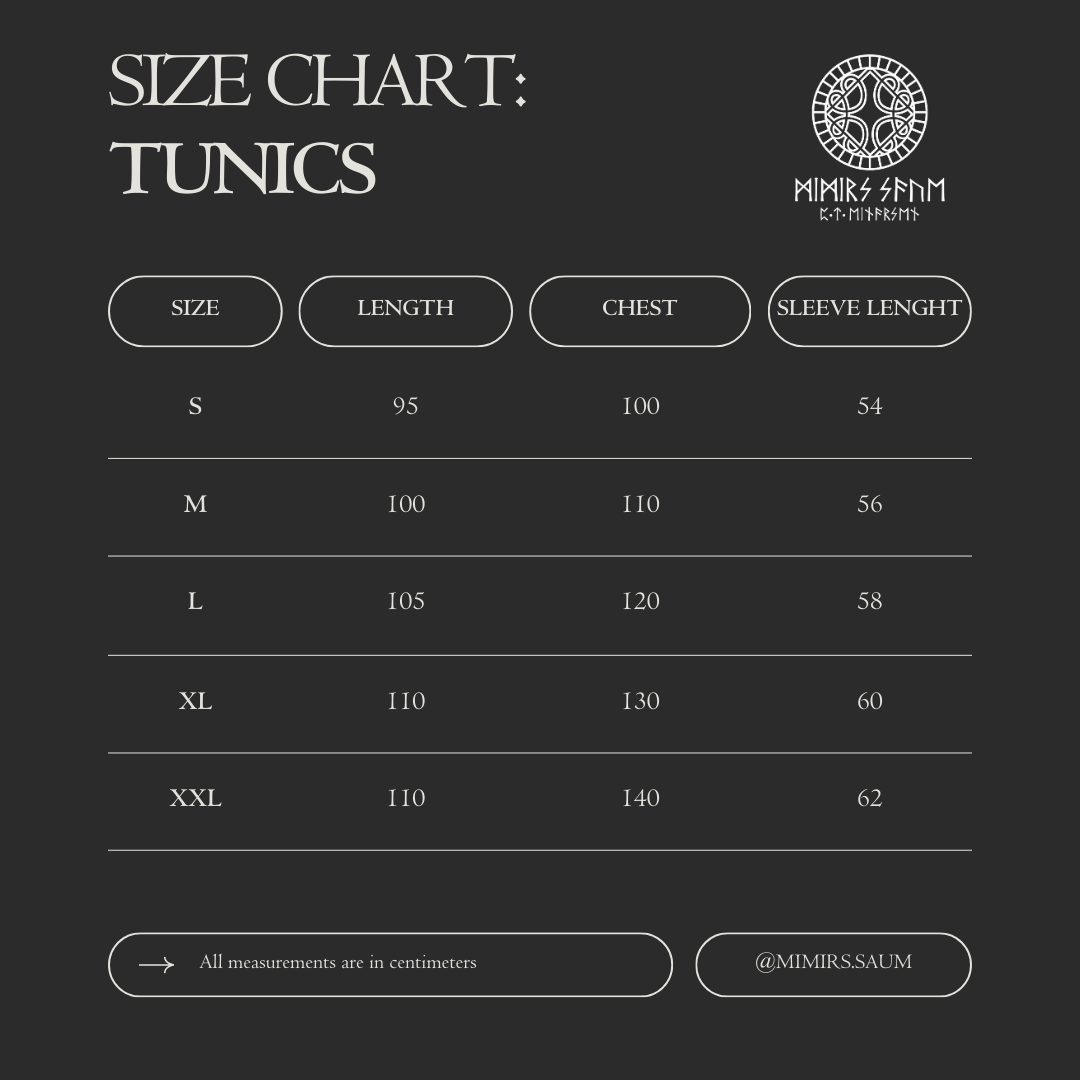
At MIMIRS SAUM, every garment is crafted with care and attention to historical accuracy. All our pieces are made-to-measure based on your measurements, though occasionally we have ready-made garments available.
Ready-Made Products
- Clearly labeled as "Ready Made" in the product title
- Available in our storage and ready to ship
- Shipped within 5 business days if no adjustments are needed
- Processing time may extend slightly if adjustments are requested
Made-to-Measure Products
Every garment listed on our website is hand-sewn specifically for you based on your measurements.How it works:
- Choose your preferred color from available options
- Provide your measurements at checkout in the notes section, or email them to us at contact@mimirs-saum.com after purchase
- Once payment and measurements are received, your order enters our production queue
- Processing time varies based on season and order volume, with a maximum of 120 days during peak periods
Need it urgently? Contact us at contact@mimirs-saum.com and we'll do our best to expedite your order.
Measurement guidance: Not sure how to measure? We'll provide detailed instructions after your purchase, or contact us anytime for assistance.
Special requests: Need a non-standard color, plant-dyed fabric, or unique construction? Contact us at contact@mimirs-saum.com to discuss your vision. A 50% advance payment is required for special orders to cover material costs, with the remaining balance due upon completion.
Optionen auswählen
A Piece of Living History
What the Archaeological Record Shows
Historical Legacy
Haithabu (Hedeby), the bustling crossroads of the Viking world (8th-11th century), has provided us with exceptional insights into Norse clothing construction. Our tunic design draws directly from the settlement's remarkable textile finds, particularly fragments 72 A & B, which showcase the distinctive curved armhole construction unique to this trading center. These invaluable fragments, along with pieces 64 & 65, reveal not just garment construction methods, but the practical ingenuity of Viking Age craftspeople.
Authentic Craftsmanship
Each tunic is entirely hand-sewn using techniques documented in Haithabu's textile remains. From the characteristic stitching patterns preserved in fragments 64 & 65 to the gore placement evidenced in harbor finds S14 & S15, every element reflects the archaeological record. We use only natural materials, matching those found in Haithabu's textile fragments, ensuring your garment is as authentic as it is functional.

Documented Techniques from 8th-11th Century Textile Finds
VIKING AGE CONSTRUCTION METHODS ✨ Archaeological Evidence in Every Stitch
Body Construction: The Haithabu Innovation
While Birka shows simpler rectangular construction, Haithabu's extensive textile collection reveals sophisticated tailoring evolution. Fragments 72 A & B showcase the distinctive curved armhole design, while fragments 11 & 12 demonstrate advanced panel-joining techniques. Settlement finds 82 A-D provide evidence of precise fabric cutting methods that maximized the use of valuable handwoven textiles.
Historical Construction Details:
🧵 Stitching Techniques
• Hand-sewn seams documented in fragments 64 & 65, showing seams with 3-5mm running stitches, 4-6mm backstitches, and 8-10mm seam allowances
• Curved armhole construction preserved in fragments 72 A & B, featuring 2-3mm reinforcement stitching along the distinctive curve
• Sleeve attachment methods evidenced in fragments 69 & 70, demonstrating 4mm even stitch spacing throughout
• Edge finishing techniques documented in fragments 48 & 49, showing precise 2mm whipstitches
• Panel joining methods from harbor settlement finds 91 & 92, revealing consistent 4-5mm stitch length
📏 Gore & Panel Construction
Evidence from Haithabu's harbor settlement guides our work:
• Gore placement techniques preserved in fragments S14 & S15, showing precise 45-50 degree angles
• Panel alignment methods documented in fragments 82 A-D, demonstrating widths of 45-50cm
• Hem construction details from harbor finds 101 & 102, featuring 12-15mm depth
• Neckline treatment preserved in fragments 75 & 76, showing 18-20cm opening
• Additional construction evidence from various harbor settlement fragments
✨Quality Standards
Each piece of clothing adheres strictly to Haithabu's archaeological evidence:
• Main seams following documented techniques from fragments 64, 65, 91 & 92, with historically accurate stitch spacing
• Curved armhole construction matching specifications from fragments 72 A & B
• Gore placement and angles replicating measurements from S14 & S15
• Panel assembly following dimensions and alignment from fragments 82 A-D
• Edge treatments reproducing techniques preserved in fragments 48 & 49
Premium Wool - Matching Textile Finds from Viking Age Settlements
Viking Age Wool: Woven to Archaeological Standards
Our offer includes five wool fabrics—each one documented in Viking Age archaeological finds. I've chosen historically accurate colors from Woolsome's collection that match what we see in the evidence. All are 100% highest quality wool.
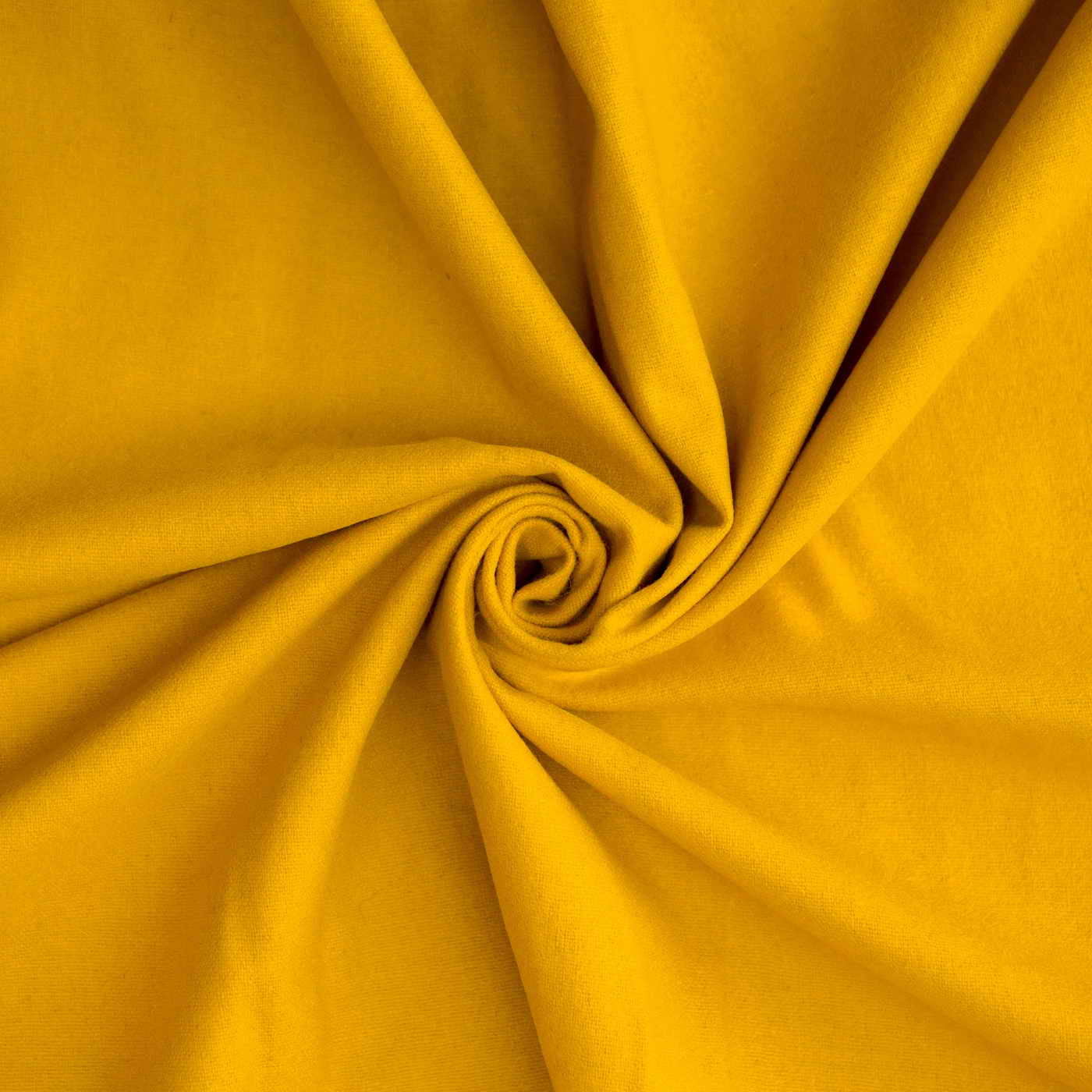
Thin Tabby 260 g/m²
Plain weave, the lightest option. Documented at Køstrup. Good for dancing, fighting, or warmer months. Breathable, comfortable, historically accurate.
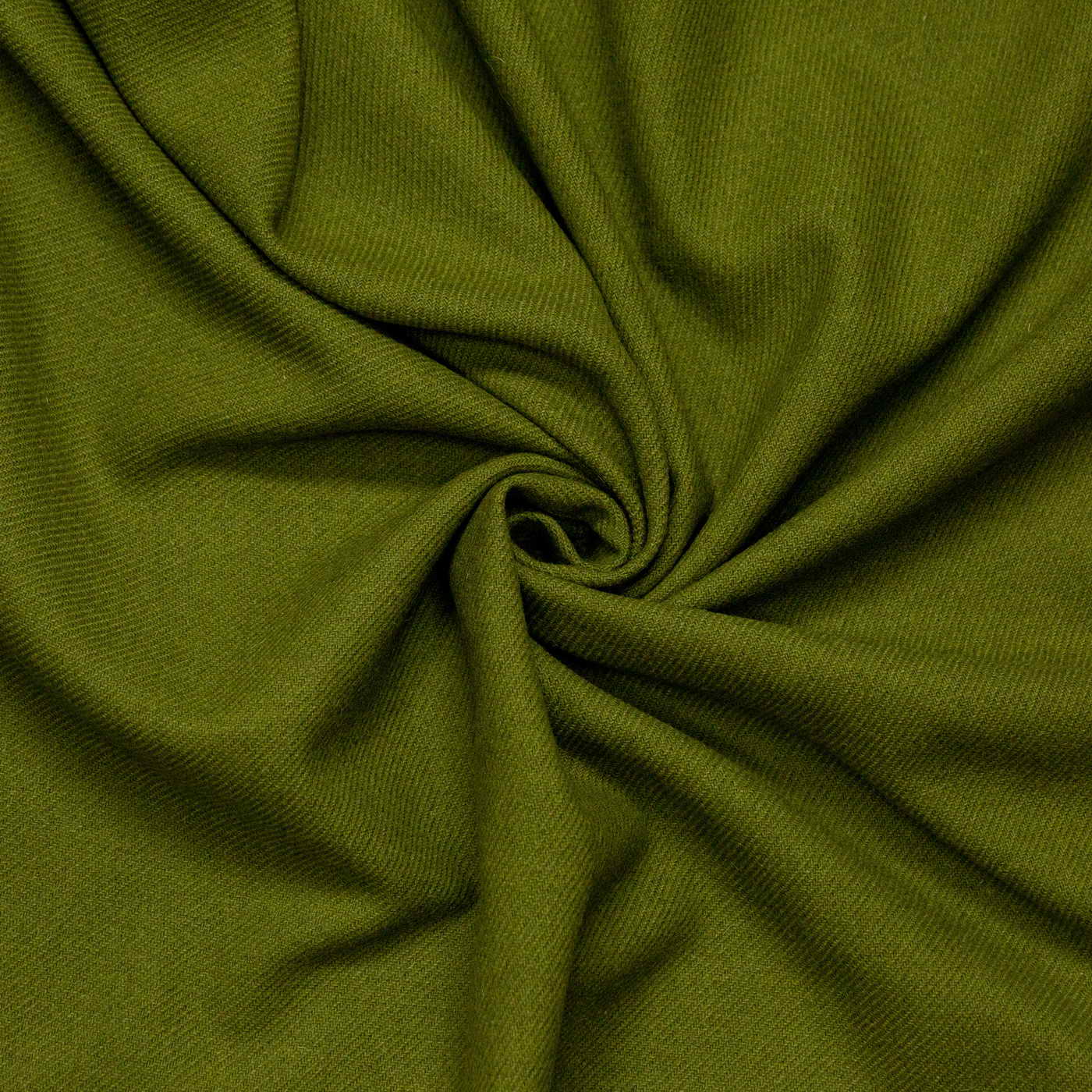
Thin Twill 290 g/m²
2/2 twill, lightweight. Good for layering, summer events, or if you prefer something that breathes. Matches the lighter fragments from Birka and Haithabu. Moves well, drapes well, works spring through autumn.
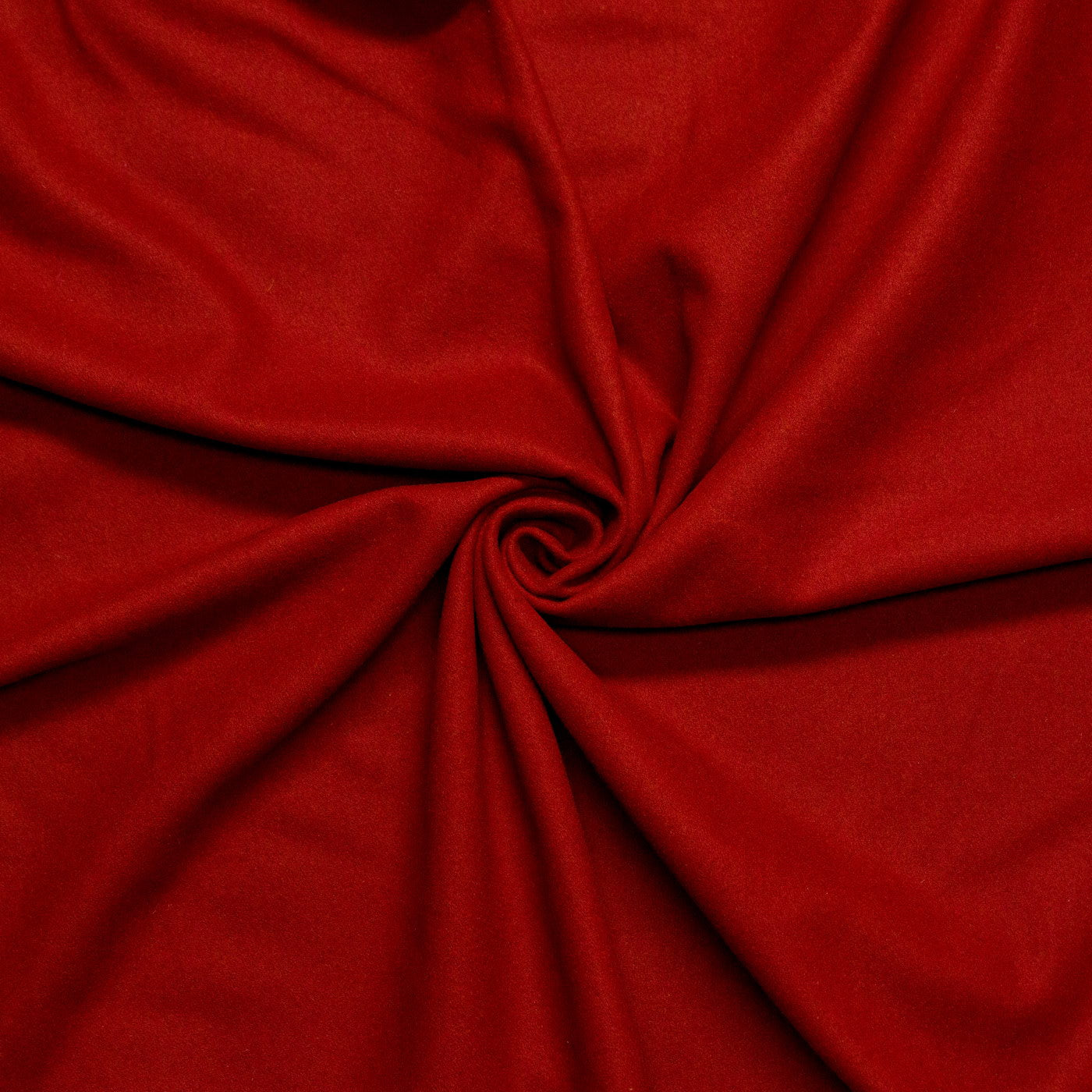
Broken Twill 370 g/m²
Medium weight, fulled for warmth and durability. Dense, structured, holds up to Scandinavian winters and long event seasons. If you need something that lasts and keeps you warm, this is the one.
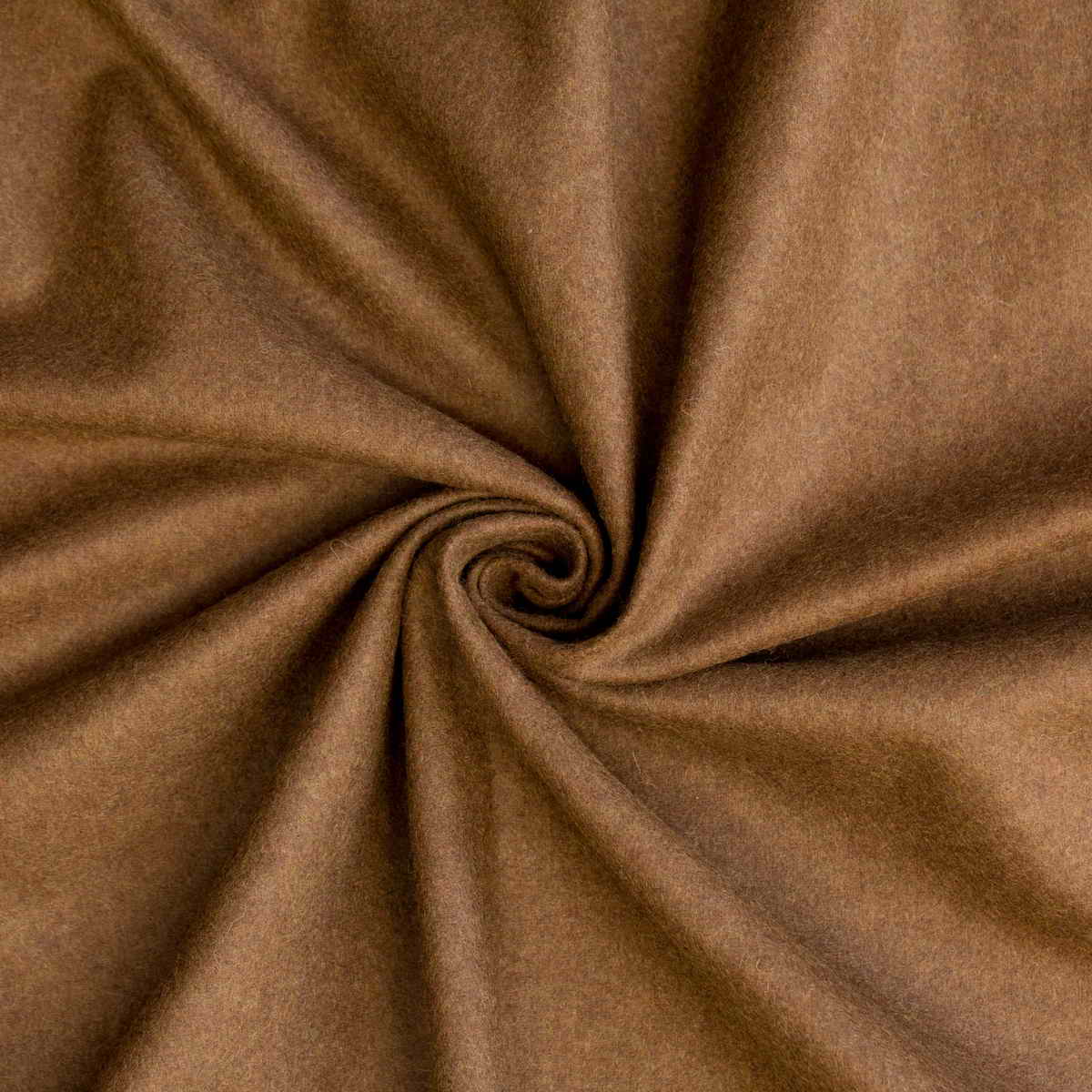
Fulled Twill 370 g/m²
Medium weight, fulled for warmth and durability. Dense, structured, holds up to Scandinavian winters and long event seasons. If you need something that lasts and keeps you warm, this is the one.
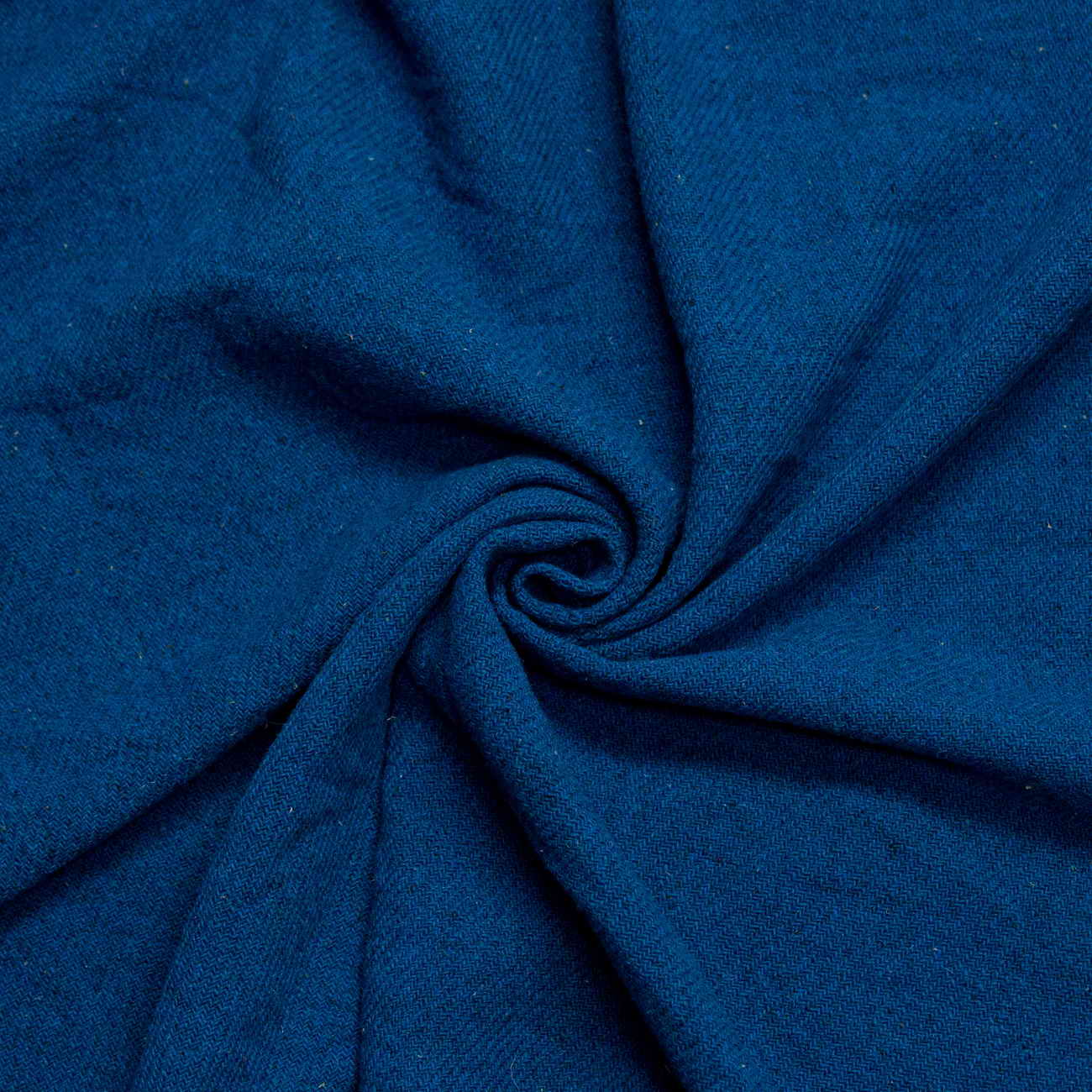
Handwoven Twill 490g/m²
Handwoven traditional weave. Heavier and coarser, representing practical everyday Viking Age garments. Open structure ensures breathability despite weight. More textured and rustic than finer twills—authentic to working-class finds. Note: More textured feel against skin.
Our Commitment
Each garment is created with the same attention to detail found in Viking Age textiles. Whether you're demonstrating historical techniques at a museum, participating in reenactment events, or simply appreciate historically accurate clothing, our pieces offer both authenticity and functionality.
⏱️ Processing Time: Up to 120 Days
How Your Garment Is Made
Each piece is individually hand-sewn using Viking Age techniques and archaeological evidence. Here's what goes into creating your historically accurate clothing:
🧵 The Creation Process
Our process honors the traditional methods of Viking Age craftspeople:
Mindful Material Preparation
We begin by carefully preparing your chosen fabric—washing, drying, and pressing premium linens from Woolsome's LCP collection or fine wools from the WSF/WTV/WKT/WKP/WCHT collections. This essential step ensures proper fabric behavior and lasting quality.
Historical Pattern Making
Each pattern is thoughtfully drafted based on your measurements and archaeological evidence from sites like Birka and Haithabu, creating garments that are both authentic and perfectly fitted to you.
Precise Cutting
Using traditional techniques, we carefully cut each piece to ensure historical accuracy in shape and grain alignment—crucial for proper drape and authentic silhouette.
Hand-Stitching Legacy
Every single stitch is placed by hand, using historically documented techniques like running stitch, backstitch, and whipstitch that create strong, durable seams. No sewing machines—ever.
Quality Assurance
Each piece undergoes careful inspection and thoughtful preparation for its journey to you, maintaining our strict standards of historical accuracy and craftsmanship.
📋 Important Notes From Your Historical Seamstress
- Your garment's creation begins at order confirmation
- Each piece is crafted individually in the order received
- During festival seasons and markets, the timeline may extend beyond 120 days
- I create each piece in my free time outside my day job
- Quality and historical accuracy are always our primary focus
- Shipping time is additional to the crafting period
- Each order receives individual attention and care
- Your patience ensures historical perfection
Questions during the process? Reach out to contact@mimirs-saum.com—I'll respond as soon as I'm able.
✨ Our Commitment to Craft
At MIMIRS SAUM, we believe true Viking Age craftsmanship cannot be rushed or mechanized. Every garment we create is entirely hand-sewn, stitch by stitch, using the same techniques documented in archaeological findings from Birka, Haithabu, and other Viking Age settlements.
Our dedication to historical accuracy means we work exclusively with premium natural materials—linens from Woolsome's carefully curated collections, fine wools, and authentic silk brocades. Each fabric is chosen not just for its quality, but for its historical accuracy in weight, weave, and characteristics.
When we say "hand-sewn," we mean exactly that. Every single stitch is placed by hand using historically accurate techniques. No sewing machines are ever used in our workshop. This isn't just about creating clothing—it's about preserving and practicing the authentic crafting methods of the Viking Age.Your patience and support make this level of craftsmanship possible. Thank you for valuing historical accuracy and traditional techniques.
A Guide to Historical Garment Measurements Based on Viking Age Findings
📏 HOW TO MEASURE YOURSELF: Essential Measurements Guide
Before You Begin:
• Wear lightweight clothing or undergarments only
• Keep measuring tape snug but not tight
• Measure twice for accuracy
• Request assistance if possible
• Stand straight with arms relaxed at sides
👤 HEAD & NECK MEASUREMENTS
Head Circumference
Wrap the measuring tape around the fullest part of your head, approximately 1 inch above your eyebrows.
Neckline at Lowest Point
Measure around your neck at the base where it meets your collarbone—this is where the tunic neckline will sit.
💪 SHOULDER MEASUREMENTS
Shoulder to Shoulder
Measure straight across your back from the outer edge of one shoulder to the outer edge of the other shoulder, following your natural shoulder curve.
Shoulder to Neck
Measure from the outer edge of your shoulder to the side base of your neck (where neck meets shoulder).Shoulder Seam
Measure along the top of your shoulder from the base of your neck to the outer edge of your shoulder.
🎯 CHEST & TORSO MEASUREMENTS
Top of Shoulder to Widest Part of Chest
Measure straight down from the top of your shoulder to the fullest part of your chest.
Chest Circumference
Wrap the measuring tape around the fullest part of your chest, keeping the tape parallel to the ground and your arms relaxed at your sides.
Waistline
Measure around your natural waistline—this is where you would naturally wear a belt, typically the narrowest part of your torso.
Hips
Measure around the fullest part of your hips, keeping the tape parallel to the ground.
Side Seam (Chest to Waist):
Measure straight down from the widest part of your chest to your natural waistline (where you wear your belt).
🦾 ARM MEASUREMENTS
Outer Arm Length (Shoulder to Wrist)
With your arm slightly bent in a natural position, measure from the outer edge of your shoulder, over your elbow, down to your wrist bone.
Inner Arm Length (Shoulder to Wrist)
With your arm slightly bent, measure from your armpit along the inner arm down to your wrist bone.
Biceps Circumference
Measure around the fullest part of your upper arm with your arm relaxed at your side.
Elbow Circumference
Measure around your elbow with your arm slightly bent in a natural position.
Wrist Circumference
Measure around your wrist bone where the sleeve will end.
Forearm Length (Wrist to Elbow)
With your arm slightly bent, measure from your wrist bone to the point of your elbow.
📏 LENGTH MEASUREMENT
Tunic Length (Shoulder to Knee)
Measure from the top of your shoulder straight down to your knee (or your desired length).
Dress Length (Shoulder to Ankle)
Measure from the top of your shoulder straight down to your ankle bone (or your desired length). For full-length dresses, measure to where you want the hem to fall.
Historical Note:
Traditional Viking Age tunics typically fall to mid-knee, as evidenced in period artwork and garment fragments from Haithabu, Birka, and other archaeological sites. Women's dresses and apron dresses (hangerock) typically fell to ankle length, as documented in grave finds from Birka, Haithabu, and other Viking Age settlements. The longer length for women's garments is consistently shown in archaeological textile evidence and period depictions.
❓ NEED HELP WITH MEASUREMENTS?
If you're unsure about any measurement or need guidance, please contact us before or after placing your order.
Why Accurate Measurements Matter:
Each GUNNAR tunic is individually hand-sewn to your specifications using authentic Viking Age techniques. Proper measurements are essential for achieving both comfort and historical accuracy.
We're Here to Help:
I understands the importance of getting your measurements right. Don't hesitate to reach out with questions—I'd rather help you measure correctly than have you receive a garment that doesn't fit properly.

Carefully Wrapped for the Journey Ahead
✨ From Our Workshop to Every Corner of Midgard
Just as each stitch is placed with purpose and care, we prepare your garment for its journey with equal attention to detail. Every piece is lovingly folded and wrapped in craft paper or wrapping paper, secured with twine, and adorned with flax or evergreen sprigs - as if preparing a special gift for someone dear. This careful presentation ensures your handcrafted treasure not only arrives safely but also provides you with the joy of unwrapping something truly special, whether it's a gift to yourself or someone you cherish.
At MIMIRS SAUM, we believe receiving your garment should be as delightful as wearing it. We've woven together a tapestry of shipping options just for you!
Nórðvegr (Norway)
Where Fjords Guide Our Path
Let your new attire sail swiftly across valleys and mountains!
• Package up to 10 kg: 73.00 NOK
• Package over 10 kg: 135.00 NOK
✨ 3-5 business days
Across the Known Lands
From Miklagarðr to Jórvík
From Hedeby to the lands of the Franks, our garments travel far and wide!
• Package up to 2 kg: 250.00 NOK
• Package up to 5 kg: 416.00 NOK
• Package up to 10 kg: 546.00 NOK
✨ 5-7 business days
To Distant Shores
From Serkland to Vinland
Our creations find their way to the far corners of the world!
• Package up to 1 kg: 348.00 NOK
• Package up to 5 kg: 596.00 NOK
• Package up to 10 kg: 906.00 NOK
✨ 10-21 business days
ADDITIONAL INFORMATION & POLICIES
From Our Workshop to Your Door
Like the craftspeople and merchants who traveled the trade routes of the Viking Age, we take care in how your garment reaches you. Here's what you need to know about shipping, customs, and our promises to you.
Swift as Odin's Ravens
Need your garment faster? Express shipping is available upon request. Contact us at contact@mimirs-saum.com to arrange expedited delivery.
A Gift from Valhalla
Orders over 10,000 NOK receive free worldwide shipping—no matter where you are.
Tracking Your Treasure
Every order includes a tracking number sent to your email. Track your garment's journey from our workshop to your door.
Tribute at the Borders
International orders may be subject to customs fees and import duties:
- Customs fees vary by country
- You are responsible for any duties or taxes
- Your package may be held for customs inspection
- We declare accurate values on all customs forms
Questions about your country's import policies? Contact your local customs office before ordering.
The Merchant's Promise
We stand behind our work. Returns accepted within 30 days if your garment is:
- Unworn and unwashed
- With original tags attached
- Unaltered (no modifications)
- In clean, original condition
To start a return, email contact@mimirs-saum.com with your order number.

✨ Ancient Wisdom for Natural Fibers
taking care FOR YOUR Hand-sewn GARMENTS
Like the skilled hands that once cared for precious textiles in Viking settlements, your garment deserves mindful treatment to maintain its beauty through time. Natural fibers respond well to gentle care, rewarding you with years of wear and increasing character with each proper washing.
Washing
• Use cool or lukewarm water for linen and plant-dyed fabrics
• Tepid water for wool to prevent felting
• Hand wash gently, avoiding agitation
• Choose mild, natural soaps suitable for each fiber
• Avoid modern detergents and bleach
• Rinse thoroughly in clean water
• For wool, maintain consistent water temperature to prevent shrinkage
Drying
• Never wring or twist any natural fibers
• Roll in a clean towel to remove excess water
• Lay flat to dry away from direct sunlight
• Shape wool garments while damp
• Allow all pieces to dry completely before storing
• Plant-dyed fabrics should dry in shade to preserve colors
Storage
• Store folded in a cool, dry place
• Keep all natural fibers away from direct sunlight
• Allow fabrics to breathe naturally
• Avoid plastic containers that can trap moisture
• For wool, consider cedar or lavender for natural protection
• Iron linen while slightly damp if needed
• Never iron wool - steam only if necessary
Special Care
• Spot clean when possible
• Address stains promptly with fiber-appropriate methods
• Air between wears to maintain freshness
• Handle with clean hands
• Store away from harsh elements
• For plant-dyed items, avoid prolonged sun exposure
WHO WEARS OUR GARMENTS
✨ FOR THOSE WHO VALUE HISTORICAL ACCURACY ✨
Our handcrafted garments find their way into the hands of those who understand the significance of authentic historical clothing. Each piece tells a story of Viking Age craftsmanship, supported by archaeological evidence and academic research.

Keep me updated
Join Our Historical Journey
Subscribe to our newsletter for the latest in historical fashion, exclusive offers, and behind-the-scenes insights. Be the first to discover new arrivals crafted with passion and authenticity!